
Mounjaro® in New Zealand: Frequently Asked Questions
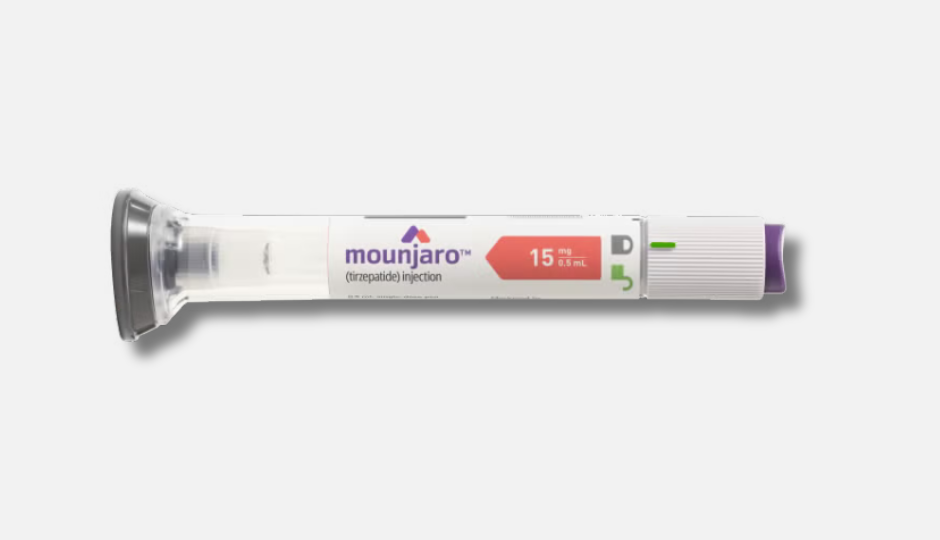
With Mounjaro® (tirzepatide) now available in New Zealand, we are receiving many questions about how this medication works and whether it may be suitable as part of a structured weight management approach. Below, we answer our most commonly asked questions.
1. What is Mounjaro®?
Mounjaro® (tirzepatide) is a once-weekly prescription medication that mimics two naturally occurring hormones - GLP-1 (glucagon-like peptide-1) and GIP (glucose-dependent insulinotropic polypeptide). These hormones may help support weight management by: slowing stomach emptying, reducing appetite and increasing feelings of fullness. By helping to reduce hunger and support portion control, Mounjaro® may help support weight loss when used as part of a reduced-calorie diet and increased physical activity program.
2. How does Mounjaro® work?
Mounjaro® acts on two hormone pathways (GLP-1 and GIP), which are involved in appetite regulation and feelings of fullness. This dual-receptor action is what distinguishes its mechanism from some other GLP-1 medications. Not every medication suits every person. Your prescriber will assess your individual health circumstances and discuss the most appropriate treatment options with you.
3. Who is Mounjaro® indicated for?
Mounjaro® is indicated as an adjunct to a reduced-calorie diet and increased physical activity for chronic weight management in adults with: a body mass index (BMI) of 30 or above, or a BMI of 27 or above in the presence of at least one weight-related health condition, such as type 2 diabetes, high blood pressure, high cholesterol, cardiovascular disease, obstructive sleep apnoea, or prediabetes. Mounjaro® is also indicated for the treatment of adults with insufficiently controlled type 2 diabetes as an adjunct to diet and exercise. A comprehensive medical assessment is required before Mounjaro® is prescribed.
4. What about weight management after bariatric surgery?
Weight changes after bariatric surgery can be influenced by a number of factors, including hormonal changes, stress, life transitions, and changes in eating patterns. This is a common experience and more widely experienced than many people realise. At Tailor Clinics, our Medical Weight Loss Program supports individuals who have had bariatric surgery and are seeking structured weight management support, as well as individuals exploring non-surgical options.
Whether medication forms part of your plan will depend on your individual clinical assessment and your prescriber's recommendations. For anyone taking appetite-reducing medications, it is important to be aware of potential nutritional considerations, including:
Meeting adequate protein requirements
Maintaining micronutrient intake
Preserving lean muscle mass
Close medical and nutritional monitoring are an important part of any weight management approach.
5. What kind of results can be expected?
In a major clinical trial (SURMOUNT-1), adults with obesity or overweight took tirzepatide alongside a reduced-calorie diet and increased physical activity over 72 weeks (approximately 18 months). On average, participants experienced weight loss ranging from approximately 15% to 21% of their starting body weight, depending on the dose used. Individual results vary depending on a range of factors, including starting point, adherence to dietary and physical activity changes, and the dose used. During an initial consultation, your prescriber will discuss realistic expectations based on your individual circumstances.
6. What are the common side effects?
Like all medicines, Mounjaro® may cause side effects, although not everybody gets them. The most commonly reported side effects are gastrointestinal and may include:
Nausea
Constipation
Diarrhoea
Vomiting
Decreased appetite
Other possible side effects include injection site reactions and dizziness. Side effects are often most noticeable when starting treatment or during dose increases. Strategies that may help include:
Eating smaller, well-spaced meals
Maintaining appropriate fibre and fluid intake
Following gradual dose increases as directed by your prescriber
7. Why is nutrition important during weight management?
When appetite is reduced - whether through medication or other means - some people may unintentionally eat less than they need, or miss key nutrients. General nutritional considerations during any weight management approach include:
Ensuring adequate protein intake to help preserve muscle mass
Maintaining sufficient energy and nutrient intake to support daily function
Addressing gastrointestinal comfort through appropriate dietary choices
Building sustainable eating patterns for the longer term
At Tailor Clinics, our Medical Weight Loss Program combines nutrition guidance, behavioural support, and physical activity strategies alongside medical oversight. We believe that long-term success involves building foundations in nutrition, movement, and behaviour change, regardless of whether medication is part of the approach.
8. What happens when medication is stopped?
Weight changes may occur if long-term lifestyle habits have not been established during the treatment period. Medications such as Mounjaro® may help reduce hunger while they are being used, but they do not permanently change lifestyle behaviours. That is why our program focuses on:
Building sustainable eating and activity habits
Incorporating regular strength and physical activity
Addressing emotional and behavioural factors that influence eating
Developing long-term strategies for weight stability
The goal of any structured program should be to build habits that can support your health goals over the longer term.
9. What does the Medical Weight Loss Program at Tailor Clinics involve?
Our Medical Weight Loss Program takes a multidisciplinary approach, which includes:
Medical assessment and ongoing monitoring, including blood tests and follow-up
Individualised nutrition guidance
Behavioural and lifestyle support
Physical activity planning
At Tailor Clinics, we do not prescribe medication in isolation. Any medication decisions are made as part of a thorough clinical assessment process. For more details about our team and program structure, you can download an info pack here or contact us directly.
10. What should I do next?
If you are interested in learning more:
1. Find out more about our Medical Weight Loss Program. Designed for individuals seeking structured, evidence-based weight management support - including those who have had bariatric surgery and those exploring non-surgical options.
2. Join our online nutrition masterclass. Learn practical strategies for supporting your nutrition during weight management, including protein targets, managing gastrointestinal comfort, preserving muscle mass, and building long-term habits.
If you have any further questions, feel free to reach out to our team on 07 859 0185 or reception@tailorclinics.co.nz.
Reference:
Jastreboff, A. M., Aronne, L. J., Ahmad, N. N., Wharton, S., Connery, L., Alves, B., Kiyosue, A., Zhang, S., Liu, B., Bunck, M. C., Stefanski, A., & SURMOUNT-1 Investigators (2022). Tirzepatide Once Weekly for the Treatment of Obesity. The New England journal of medicine, 387(3), 205–216. https://doi.org/10.1056/NEJMoa2206038
Mounjaro® (tirzepatide) is a Prescription Medicine used for chronic weight management in adults with a BMI of 30 or above, or 27 or above with at least one weight-related health condition, alongside a reduced-calorie diet and increased physical activity. It is also prescribed for the management of type 2 diabetes mellitus. Available dose strengths are 2.5 mg, 5 mg, 7.5 mg, 10 mg, 12.5 mg, and 15 mg. Mounjaro® has risks and benefits. Ask your prescriber or read the Consumer Medicine Information at www.medsafe.govt.nz for further details.
Disclaimer: This blog post contains both general health information and information about Tailor Clinics' services. It does not replace individual medical advice. Please consult your prescriber for advice specific to your circumstances.