
What Happens When You Stop GLP-1 Medications
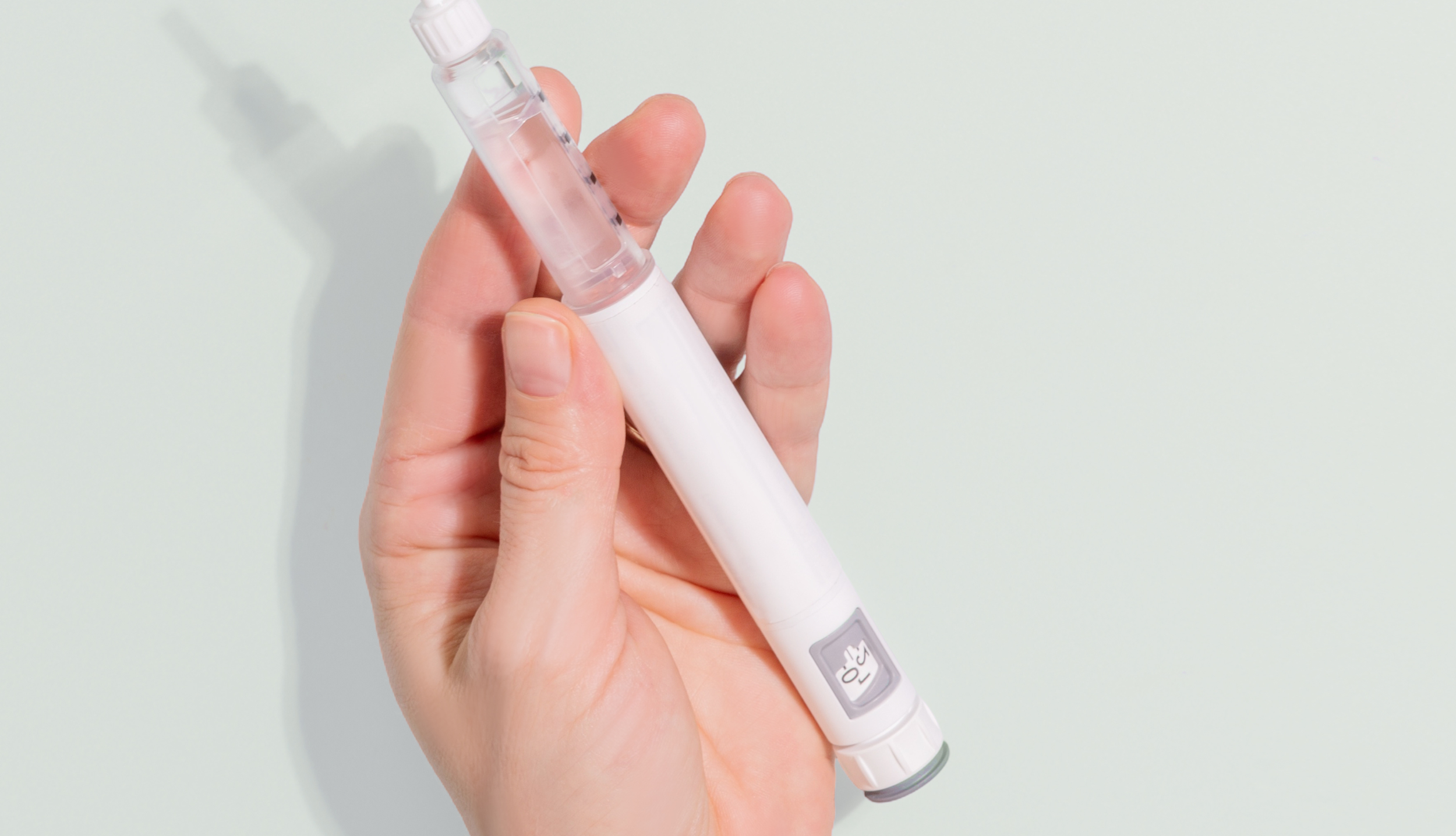
If you're taking a GLP-1 medication like Wegovy® or Saxenda® for weight management, there's a good chance you've thought about what happens when you eventually stop. Whether your circumstances have changed, you're reassessing your treatment options, or you're feeling ready to manage things more independently - it's helpful to have a plan about what that next phase looks like.
In this article, we'll look at what the research says about stopping GLP-1 medications, why the body responds the way it does, and - most importantly - the practical steps you can take to support your progress and set yourself up well for the transition.
A quick recap: how GLP-1 medications work
GLP-1 receptor agonists mimic a natural hormone called glucagon-like peptide-1, which is released in the gut after eating. As shown in clinical trials, these medications work in several ways: they may help reduce appetite, slow the rate at which your stomach empties, and support blood sugar regulation. For many people, this means eating less without feeling as though they're constantly fighting hunger.
One of the effects people sometimes describe is a quieting of "food noise" - that persistent mental hum of thinking about food, planning the next meal, or negotiating cravings. Research into this effect is still emerging.
What the research tells us about stopping
Many studies have shown that without additional support, most people who stop GLP-1 medications regain some of the weight they lost over time. This isn't a reflection of willpower or personal failure - it’s biology. Understanding it is the first step toward managing it well.
A widely cited extension of the STEP 1 trial found that participants who stopped semaglutide regained roughly two-thirds of their weight loss within a year. Furthermore, a 2026 review published in BMJ Medicine found that people taking GLP-1 medications regained weight significantly faster than those who had lost weight through diet and exercise alone.
When treatment stops, many people notice their appetite and hunger returning to pre-medication levels over the first week or so. Some metabolic improvements observed during treatment may also shift back toward baseline over time, although this is also dependent on dietary and lifestyle behaviours. This is consistent with the understanding that obesity is a chronic condition requiring ongoing management.
Why weight regain can happen - it's not about willpower
When someone loses weight - by any method - the body activates a range of compensatory biological responses designed to restore the previous weight. Hunger hormones increase, metabolic rate may decrease, and the brain's reward system can drive stronger cravings. Research suggests that GLP-1 medications may help counteract some of these responses. When the medication stops, those biological drivers resume.
The role of muscle mass
One factor that doesn't get enough attention is body composition. Research shows that a notable proportion of weight lost during GLP-1 treatment can come from lean body mass rather than fat alone - depending on the medication, individual factors, and whether resistance training was maintained during treatment. This matters because skeletal muscle is metabolically active tissue - the more you carry, the more energy your body uses at rest. When muscle mass decreases, resting metabolic rate may also decline, which can make weight regain more likely once the medication stops. The encouraging news is that early evidence suggests people who prioritise resistance training and adequate protein intake during treatment may be able to significantly reduce this muscle loss. This is one of the key reasons why nutrition and exercise support alongside medication is so important.
Why the research doesn't support stopping and starting
It's also worth noting that current clinical consensus and available evidence doesn’t support using GLP-1 medications as a short-term fix - something to use to lose weight quickly, stop, and restart later if the weight comes back. What the research does consistently support is the value of building strong nutritional and lifestyle habits alongside the medication. A 2024 Copenhagen-based trial found that participants who maintained a supervised exercise routine after stopping liraglutide regained significantly less weight than those who relied on the medication alone. The evidence points toward a combined approach: medication as one part of a broader plan that includes nutrition, movement, and professional support - not a standalone solution.
What you can do to prepare
If you're considering stopping your GLP-1 medication - or if you've already stopped - there are practical steps that may help you maintain your progress and support your long-term health.
Talk to your prescriber first. A gradual taper or dose reduction, rather than stopping abruptly, may help your body adjust. Your prescriber can also monitor any changes in blood sugars or other health markers.
Prioritise protein. Adequate protein intake may help to support muscle retention and may help with satiety (fullness) after medication stops. Aim to include a quality protein source at each meal. Working with a registered nutritionist or dietitian can help figure out your individual protein needs, and provide further support with your overall nutrition.
Build sustainable movement habits. Research suggests that people who maintain a regular exercise routine after stopping GLP-1 medications may experience less weight regain. A mix of cardiovascular activity and resistance training is generally recommended, but working with an exercise specialist can help to determine a plan that best suits your body.
Develop strategies for managing food noise. Having practical tools in place - such as structured meal planning, understanding your hunger and fullness cues, and working through emotional or habitual drivers of eating - can be helpful.
Get professional support. Working with a team that understands the complexities of weight management - including the nutritional, behavioural, and medical aspects - can provide structure, accountability and individualised advice during the transition off medication.
Focus on health markers, not just the scale. Weight is one measure of health, but it's not the only one. Improvements in energy, fitness, sleep quality, and how you feel in your body are important too.
Summary
Stopping a GLP-1 medication doesn't have to mean starting from scratch. While weight regain is common, the degree varies - and the people who tend to have better outcomes are those who have built strong nutritional and lifestyle habits alongside the medication, and who have support in place for the transition.
The key takeaway is that preparation matters. Understanding how your body may respond, having a plan for nutrition and movement, and working with the right professionals can all help you maintain the progress you've worked hard for.
If you're considering a GLP-1 medication and would like support building a plan that works alongside your treatment, our Medical Weight Loss Program may be able to help. Find out more about the Tailor Clinics Medical Weight Loss Program.
If you're already taking a GLP-1 medication (or considering one) and would like more guidance on how to align your nutrition, we're hosting a masterclass on this topic. Find out more and register here.
Tailor Clinics Medical Weight Loss Program is a health service. Individual results may vary. This program does not replace medical advice from your prescriber.
References:
Wilding, J. P. H., Batterham, R. L., Davies, M., Van Gaal, L. F., Kandler, K., Konakli, K., Lingvay, I., McGowan, B. M., Oral, T. K., Rosenstock, J., Wadden, T. A., Wharton, S., Yokote, K., & Kushner, R. F. (2022). Weight regain and cardiometabolic effects after withdrawal of semaglutide: The STEP 1 trial extension. Diabetes, Obesity and Metabolism, 24(8), 1553-1564.https://doi.org/10.1111/dom.14725
West, S., Scragg, J., Aveyard, P., Oke, J. L., Willis, L., Haffner, S. J. P., Knight, H., Wang, D., Morrow, S., Heath, L., Jebb, S. A., & Koutoukidis, D. A. (2026). Weight regain after cessation of medication for weight management: Systematic review and meta-analysis. The BMJ, 392, e085304.https://doi.org/10.1136/bmj-2025-085304
Jensen, S. B. K., Blond, M. B., Sandsdal, R. M., Olsen, L. M., Juhl, C. R., Lundgren, J. R., Janus, C., Stallknecht, B. M., Holst, J. J., Madsbad, S., & Torekov, S. S. (2024). Healthy weight loss maintenance with exercise, GLP-1 receptor agonist, or both combined followed by one year without treatment: A post-treatment analysis of a randomised placebo-controlled trial. eClinicalMedicine, 69, 102475.https://doi.org/10.1016/j.eclinm.2024.102475
Wilding, J. P. H., Batterham, R. L., Calanna, S., Davies, M., Van Gaal, L. F., Lingvay, I., McGowan, B. M., Rosenstock, J., Tran, M. T. D., Wadden, T. A., Wharton, S., Yokote, K., Zeuthen, N., & Kushner, R. F. (2021). Once-weekly semaglutide in adults with overweight or obesity. The New England Journal of Medicine, 384(11), 989-1002.https://doi.org/10.1056/NEJMoa2032183
Heymsfield, S. B., Bhatt, S. P., Engelen, M. P. K. J., Gonzalez, M. C., Hayes, M., Houmard, J. A., Hruby, A., Kuchnia, A., Matthews, D., & Prado, C. M. (2024). Muscle mass and glucagon-like peptide-1 receptor agonists: Adaptive or maladaptive response to weight loss? Circulation, 150(22), 1777-1790.https://doi.org/10.1161/CIRCULATIONAHA.124.067676
Healthify He Puna Waiora. (2026, February 12). Weight loss medicines.https://healthify.nz/medicines-a-z/w/weight-loss-medicines
World Health Organization. (2025, December 1). WHO guideline on the use of glucagon-like peptide-1 (GLP-1) therapies for the treatment of obesity in adults.https://www.who.int/news/item/01-12-2025-who-issues-global-guideline-on-the-use-of-glp-1-medicines-in-treating-obesity
Disclaimer: This article is for informational purposes only and does not constitute medical advice. Always consult your prescriber before making changes to any medication.